
Navigating the landscape of online casino deposits requires an understanding of various payment methods, each with distinct advantages and drawbacks. Cryptocurrency deposits, while offering unique benefits like enhanced privacy, faster transactions, and often lower fees, introduce a new set of considerations for players. The decision to use crypto isn't just about convenience; it involves understanding wallet security, network fees, market volatility, and the specific policies of the casino platform. Before committing funds, players must grasp these nuances to ensure a secure and efficient deposit experience, avoiding common pitfalls associated with digital asset transfers.
Understanding Cryptocurrency Basics for Casino Transactions
Cryptocurrencies operate on decentralized networks, meaning transactions are processed and verified by a distributed ledger (blockchain) rather than a central authority like a bank. This decentralization is the foundation for many of crypto's appealing features in online gaming. Transactions can often be faster because they don't rely on traditional banking hours or intermediaries. They can also offer a degree of privacy, as personal banking details are not directly shared with the casino. However, this also means transactions are irreversible, placing a greater emphasis on player diligence.
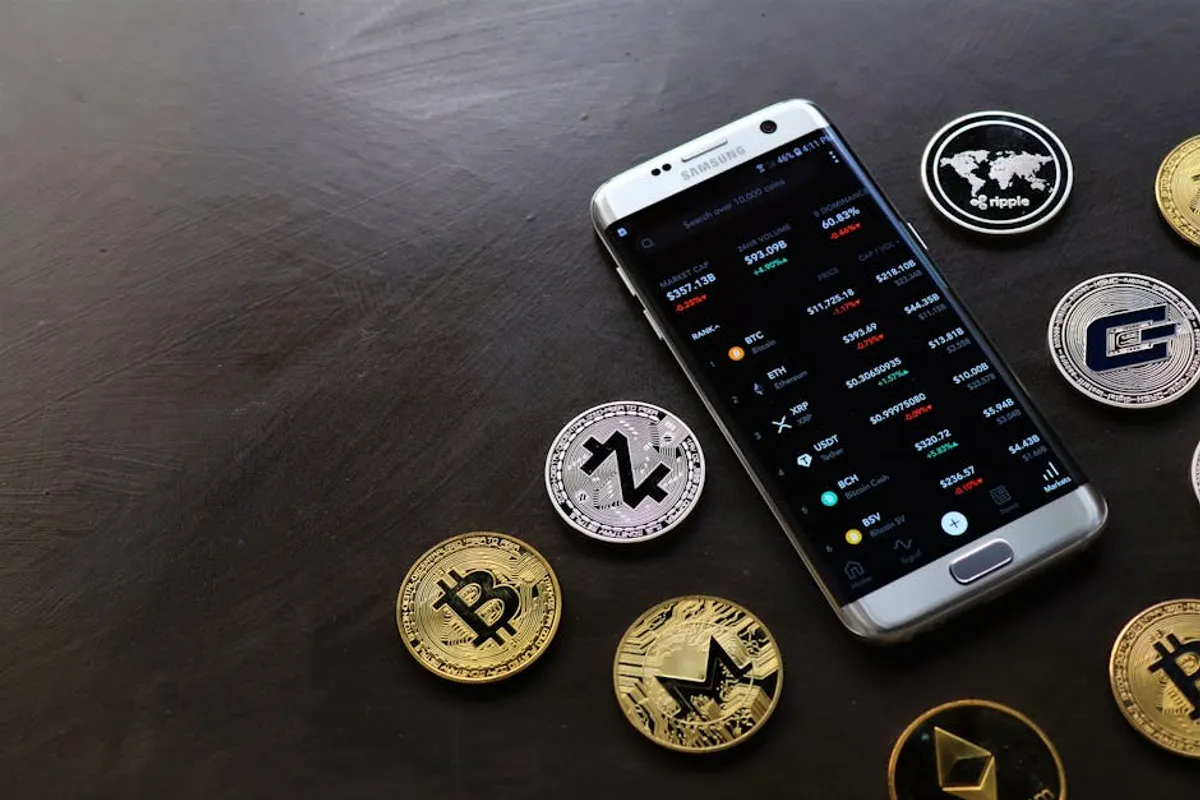
The choice of cryptocurrency for deposits is not uniform. Bitcoin (BTC) remains the most widely accepted, but Ethereum (ETH), Litecoin (LTC), Ripple (XRP), and various stablecoins like Tether (USDT) or USD Coin (USDC) are also common. Each has different characteristics: Bitcoin, while dominant, can have higher transaction fees and slower confirmation times during network congestion. Ethereum, with its smart contract capabilities, powers many decentralized applications but also experiences fluctuating "gas fees." Stablecoins, pegged to fiat currencies, offer stability by mitigating volatility risks, which can be crucial for players who want to preserve the value of their funds between deposit and play.
The Deposit Process: Step-by-Step
Setting Up a Crypto Wallet
Before making a deposit, players need a cryptocurrency wallet. This digital tool stores the public and private keys required to send and receive cryptocurrency. Wallets come in several forms:
- Hot Wallets: Connected to the internet (e.g., mobile apps, browser extensions, exchange wallets). They offer convenience for frequent transactions but are generally considered less secure for large holdings due to their online nature.
- Cold Wallets: Offline storage solutions (e.g., hardware wallets, paper wallets). These provide the highest level of security as they are immune to online threats but are less convenient for quick deposits.
Choosing a reputable wallet provider with strong security features, such as two-factor authentication (2FA) and backup options, is paramount. The private key is the ultimate access to your funds; losing it means losing your crypto.
Acquiring Cryptocurrency
Once a wallet is set up, players need to acquire the cryptocurrency. This typically involves purchasing it from a cryptocurrency exchange (e.g., Coinbase, Binance, Kraken) using fiat currency (USD, EUR, etc.) or through peer-to-peer (P2P) platforms. The process usually requires identity verification (KYC – Know Your Customer) on regulated exchanges. After purchase, the crypto is transferred from the exchange wallet to the player's personal wallet, which they control.
Initiating the Deposit
To deposit at a casino, players select the cryptocurrency deposit option. The casino will provide a unique deposit address (a string of alphanumeric characters) specific to the chosen cryptocurrency. This address is essentially the casino's wallet where the funds will be sent. Players then open their personal crypto wallet, select the "send" option, paste the casino's deposit address, and enter the desired deposit amount. It is critical to ensure the correct cryptocurrency network is selected if the wallet or casino supports multiple networks (e.g., ERC-20 for Ethereum, TRC-20 for Tron-based USDT).
Warning: Always double-check the casino's deposit address before confirming any transaction. A single incorrect character can result in irreversible loss of funds, as crypto transactions cannot be recalled or reversed once sent. Some platforms provide QR codes for addresses, which can help minimize manual entry errors.
Key Considerations for Crypto Casino Deposits
Transaction Fees and Network Congestion
Crypto transactions incur network fees, often called "gas fees" on Ethereum or "miner fees" on Bitcoin. These fees compensate the network validators for processing and securing transactions. Fees fluctuate based on network demand; during periods of high congestion, fees can increase significantly, impacting the total cost of a deposit. Higher fees typically result in faster transaction confirmations, as validators prioritize transactions willing to pay more. Players should monitor current network conditions and consider the fee structure before initiating a deposit to avoid unexpected costs or delays.
Volatility and Value Fluctuation
The value of most cryptocurrencies is highly volatile, meaning their price can change rapidly within minutes or hours. A deposit made with Bitcoin worth $1000 could be worth $950 or $1050 by the time it confirms or when a player decides to withdraw. This fluctuation presents both opportunities and risks. Players concerned about value stability might opt for stablecoins, which are designed to maintain a consistent value relative to a fiat currency, thus minimizing volatility risk during gameplay.
Security and Anonymity
While crypto transactions offer a degree of privacy by not directly linking to traditional banking accounts, true anonymity is often overstated. Transactions are recorded on public blockchains, meaning anyone can view the transaction history of a wallet address, though the identity behind the address remains pseudonymous. Casino platforms themselves may still require KYC verification for large deposits or withdrawals, especially for regulatory compliance. From a security standpoint, the primary responsibility lies with the player to secure their personal wallet and private keys. Loss or theft of these credentials means loss of funds.
Withdrawal Policies and Limits
Crypto withdrawal policies often mirror deposit methods. Players should review a casino's specific terms regarding minimum and maximum withdrawal amounts, processing times, and any associated fees. Some casinos may impose daily, weekly, or monthly withdrawal limits, which can be particularly relevant for large winnings. Understanding these policies beforehand prevents frustration and ensures a smooth withdrawal process when the time comes to cash out. Players should review specific litecoin withdrawal policies to avoid any surprises when cashing out.
Maximizing Your Crypto Casino Experience
Engaging with crypto casinos effectively requires a proactive approach to understanding the technology and the platform's specific rules. Always verify the casino's legitimacy and licensing, read their terms and conditions thoroughly, and ensure you are comfortable with their deposit and withdrawal processes. Start with smaller amounts until you are familiar with the system. Prioritize the security of your crypto wallet and never share your private keys. Responsible play, combined with an informed approach to cryptocurrency transactions, creates a more secure and enjoyable online gaming environment.
Frequently Asked Questions About Crypto Deposits
Is it safe to deposit crypto at online casinos?
Depositing crypto at online casinos can be safe, provided you choose a reputable, licensed casino and secure your personal cryptocurrency wallet. The security of the transaction itself relies on blockchain technology, which is inherently secure, but the safety of your funds also depends on the casino's operational integrity and your own wallet security practices.
How long do crypto deposits take?
Crypto deposit times vary based on the specific cryptocurrency, network congestion, and the number of confirmations required by the casino. Bitcoin transactions can take anywhere from 10 minutes to several hours, while some altcoins or stablecoins on faster networks might confirm in minutes. Always check the casino's stated confirmation requirements.
Can I use any cryptocurrency for deposits?
No, casinos typically support a specific list of cryptocurrencies for deposits. Common options include Bitcoin, Ethereum, Litecoin, and various stablecoins. Always verify which cryptocurrencies a casino accepts before attempting to deposit, as sending an unsupported coin to an address can result in permanent loss of funds.
Are there any fees for crypto deposits?
Yes, cryptocurrency transactions incur network fees (often called gas fees or miner fees) that are paid to the blockchain network to process and validate the transaction. These fees vary based on network demand and the specific cryptocurrency. Some casinos might also impose their own small processing fees, so it's important to check their terms and conditions.