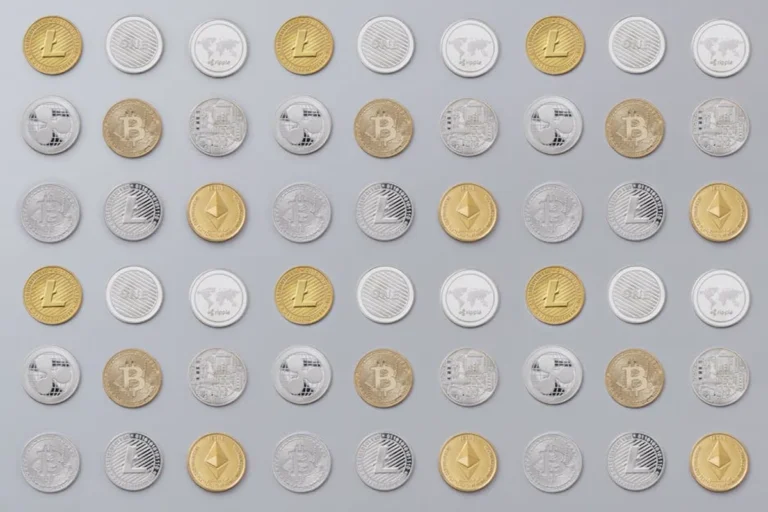
For online gaming platforms, the integration of cryptocurrency as a payment method has become a significant differentiator, moving beyond traditional fiat options. Bitcoin, Ethereum, and Litecoin represent three of the most widely adopted digital currencies, each offering distinct advantages for deposits and withdrawals within the casino ecosystem. Understanding the specific characteristics of these cryptocurrencies—from transaction speed and fee structures to inherent security features and volatility—is crucial for both operators looking to expand their payment gateways and users seeking optimal transactional experiences. This article details the operational specifics of each, providing a framework for informed decision-making in the evolving landscape of crypto-enabled online gaming.
The Rise of Cryptocurrency in Online Gaming
The adoption of cryptocurrencies by online gaming platforms stems from their capacity to address several limitations inherent in conventional banking systems. Digital currencies facilitate faster transaction processing, often bypassing the delays associated with bank transfers or credit card clearings. Furthermore, they can offer enhanced privacy through pseudonymous transactions, appealing to users who prioritize discretion. Reduced transaction fees, particularly for international transfers, represent another compelling benefit, as blockchain networks often operate with lower overheads compared to traditional financial intermediaries. This combination of speed, privacy, and cost-efficiency underpins the growing integration of Bitcoin, Ethereum, and Litecoin into the online casino environment.
Bitcoin (BTC) as a Primary Payment Method
Bitcoin, as the original and largest cryptocurrency by market capitalization, remains a foundational payment option for many crypto casinos. Its widespread recognition and established network provide a high degree of liquidity and trust. Transactions are recorded on a public, immutable ledger, ensuring transparency and preventing double-spending.
Transaction Speed and Volatility Considerations
While Bitcoin transactions offer robust security, their confirmation times can vary significantly. Typical confirmation can range from 10 minutes to several hours, depending on network congestion and the fee paid. This variability can impact user experience, particularly for deposits that require multiple confirmations before funds are available for play. Furthermore, Bitcoin's price volatility is a notable factor; the value of BTC can fluctuate considerably within short periods, affecting the real-world value of deposits and withdrawals between the time of transaction initiation and completion.
Security and Anonymity Benefits
Bitcoin transactions are pseudonymous, meaning they are linked to a wallet address rather than directly to a user's identity. While the transaction history is public, linking an address to an individual requires additional information. This offers a layer of privacy not typically available with traditional payment methods. The cryptographic security underpinning the Bitcoin network makes transactions highly resistant to fraud and unauthorized alteration once confirmed.
Ethereum (ETH) and Smart Contract Advantages
Ethereum, the second-largest cryptocurrency, extends beyond simple value transfer by enabling smart contracts and decentralized applications (dApps). This functionality opens up possibilities for more complex and transparent gaming mechanisms within crypto casinos.
Faster Confirmations and Lower Fees
Ethereum transactions generally offer faster confirmation times than Bitcoin, often settling within minutes. While gas fees (transaction costs on the Ethereum network) can fluctuate based on network demand, they are frequently lower than Bitcoin fees, especially for smaller transactions. This makes Ethereum an attractive option for users seeking quicker access to funds and more economical transfers.
Decentralized Applications (dApps) Integration
The smart contract capability of Ethereum allows for the creation of provably fair games, where the outcomes are verifiable on the blockchain, enhancing trust and transparency. This also enables innovative bonus structures, loyalty programs, and even fully decentralized casino platforms where game logic and payouts are managed by smart contracts, reducing reliance on central authorities.
Litecoin (LTC): The "Silver" Standard for Speed
Litecoin was created with the explicit goal of improving upon Bitcoin's transaction speed and efficiency. Often referred to as the "silver to Bitcoin's gold," LTC offers a compelling alternative for users prioritizing rapid transactions.
Rapid Transactions and Scalability
Litecoin's block generation time is approximately 2.5 minutes, four times faster than Bitcoin's 10 minutes. This leads to significantly quicker transaction confirmations, making it ideal for users who want immediate access to their deposited funds or faster withdrawal processing. Its higher transaction throughput also contributes to better scalability for handling a larger volume of transactions.
Cost-Effectiveness for Micro-Transactions
Due to its faster processing and lower network congestion compared to Bitcoin, Litecoin typically incurs lower transaction fees. This cost-effectiveness makes LTC particularly suitable for smaller deposits and withdrawals, where high fees on other networks could disproportionately impact the transferred amount.
Pro Tip: Always verify the specific network fees and confirmation requirements of your chosen crypto casino before initiating a transaction. These can vary by platform and current network conditions, directly impacting the speed and cost of your deposit or withdrawal.
Key Factors When Choosing a Crypto Casino
Selecting a crypto casino involves evaluating several operational and security aspects beyond just the accepted cryptocurrencies:
- Licensing and Regulation: Ensure the platform holds a valid operating license from a reputable jurisdiction.
- Security Protocols: Look for features like two-factor authentication (2FA), SSL encryption, and cold storage for user funds.
- Game Selection and Providers: Assess the variety and quality of games, and the reputation of the software providers.
- Customer Support: Evaluate the availability and responsiveness of support channels (live chat, email).
- Bonus Structures and Promotions: Understand the terms and conditions associated with welcome bonuses, free spins, and loyalty programs.
- Withdrawal Limits and Processing Times: Check for any minimum/maximum withdrawal amounts and the typical timeframe for payout.
Navigating the Crypto Casino Landscape
The choice between Bitcoin, Ethereum, and Litecoin as payment methods at crypto casinos ultimately depends on individual priorities. Bitcoin offers unparalleled market acceptance and robust security, albeit with potentially slower confirmations and higher volatility. Ethereum provides faster transactions, lower fees, and the added dimension of smart contract functionality for enhanced game transparency and innovation. Litecoin stands out for its rapid transaction speeds and cost-effectiveness, making it an excellent choice for users prioritizing quick, economical transfers. Understanding these distinct characteristics allows users to align their transactional needs with the optimal cryptocurrency option, ensuring a more efficient and satisfactory online gaming experience.
Frequently Asked Questions
What is the primary advantage of using cryptocurrency for online casino payments?
The main advantages include faster transaction speeds, enhanced privacy through pseudonymous transactions, and often lower fees compared to traditional banking methods, especially for international transfers.
Are crypto casino transactions truly anonymous?
No, crypto transactions are pseudonymous. While they are linked to a wallet address rather than a direct personal identity, the transaction history is public on the blockchain. Advanced analysis can sometimes link addresses to individuals.
How do crypto transaction fees work?
Crypto transaction fees, often called "gas fees" on Ethereum or "miner fees" on Bitcoin/Litecoin, are paid to the network to process and confirm your transaction. These fees fluctuate based on network congestion and the speed at which you want your transaction processed.
Is the value of my crypto deposit stable?
No, cryptocurrencies like Bitcoin, Ethereum, and Litecoin are known for their price volatility. The value of your deposit can fluctuate significantly between the time you make a deposit and when you decide to withdraw your winnings.