
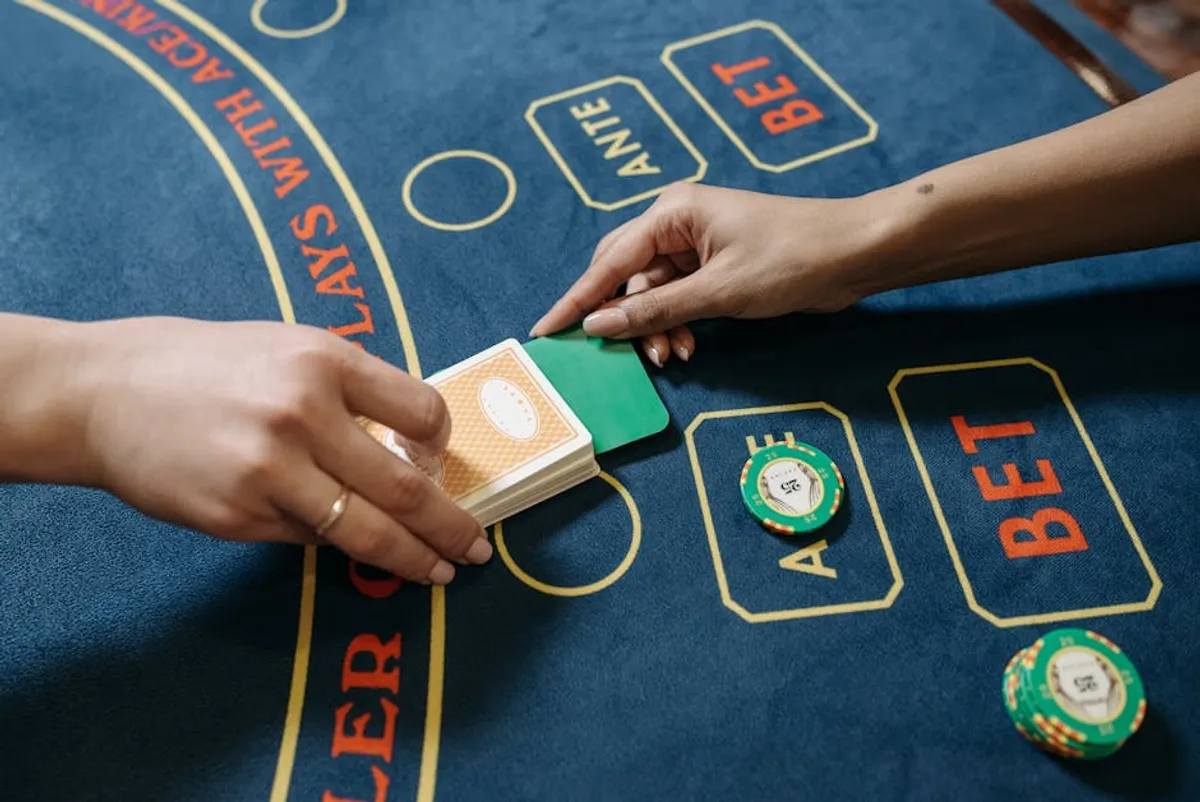
Engaging with casino games offers entertainment, but maintaining control is paramount for a sustainable and positive experience. Responsible gambling isn't about avoiding play; it's about establishing clear boundaries and making informed decisions to ensure that gaming remains a leisure activity, not a financial or personal burden. This involves understanding the mechanics of play, recognizing personal limits, and utilizing available tools to manage your activity effectively.
Establishing Personal Boundaries
Effective responsible gambling begins with self-awareness and the proactive establishment of clear, non-negotiable limits. These boundaries serve as a framework, preventing impulsive decisions and ensuring that gambling remains within your financial and emotional capacity.
Financial Limits and Budgeting
Before any play, determine a specific budget for your gambling activities. This amount should be discretionary income, meaning money you can afford to lose without impacting essential expenses like rent, groceries, or savings. Do not chase losses; once this budget is depleted, stop playing. Consider using a separate bank account or a prepaid card for gambling funds to physically segregate these finances from your primary accounts. This method provides a tangible barrier against overspending.
Time Allocation
Just as you budget money, allocate specific time slots for gambling. Define how long each session will last and how many sessions you'll engage in per week or month. Sticking to these time limits prevents prolonged play that can lead to fatigue, poor judgment, and increased financial exposure. Use timers, alarms, or built-in platform features to enforce these boundaries.
Emotional Self-Assessment
Your emotional state significantly impacts decision-making. Avoid gambling when feeling stressed, upset, anxious, or intoxicated. These states impair judgment, making you more susceptible to chasing losses or making rash bets. Gambling should be an enjoyable pastime, not a coping mechanism for negative emotions. If you find yourself turning to gambling during emotional distress, it's a critical indicator to pause and reassess your habits.
Understanding Game Dynamics
A fundamental aspect of responsible play involves understanding how casino games operate, rather than relying on misconceptions or superstitions. This knowledge grounds your expectations in reality.
Dispelling Myths: Luck vs. Probability
Casino games are governed by mathematical probability, not streaks of luck or intuition. Each spin of a slot machine, roll of dice, or deal of cards is an independent event. Past results do not influence future outcomes. Believing in "hot" or "cold" machines, or that a win is "due," can lead to extended play and increased losses.
The House Edge Explained
Every casino game incorporates a "house edge," which is the mathematical advantage the casino holds over the player over the long term. This edge ensures the casino's profitability. For example, in European Roulette, the single zero gives the house a 2.7% edge. Understanding this means accepting that, statistically, the casino will always win more often than players over time. This perspective helps manage expectations and reduces the urge to try and "beat" the system.
Example House Edges:
- European Roulette: ~2.7%
- Blackjack (optimal strategy): ~0.5% (varies by rules)
- Slot Machines: Typically 2-15% (varies by game and jurisdiction)
- Baccarat: ~1.06% (banker bet)
Leveraging Responsible Gaming Tools
Many reputable online platforms provide tools designed to help players manage their activity. Utilizing these features is a proactive step in maintaining control.
Deposit Limits
These tools allow you to set a maximum amount of money you can deposit into your account over a specified period (daily, weekly, or monthly). Once the limit is reached, you cannot deposit more funds until the period resets. This is a highly effective way to enforce your financial budget directly within the platform.
Session Limits and Time-Outs
Session limits restrict how long you can play in a single sitting, automatically logging you out or preventing further wagers once the time expires. Time-out periods allow you to take a short break from gambling, typically ranging from 24 hours to several weeks. During this time, you cannot access your account. These tools are invaluable for preventing extended play and allowing for reflection.
Self-Exclusion Programs
For individuals who feel their gambling is becoming problematic, self-exclusion is a severe but necessary step. This feature allows you to permanently or temporarily block yourself from accessing your account and other associated accounts across the platform or even multiple platforms (depending on the jurisdiction and program). Once activated, self-exclusion is irreversible for the chosen period and is a strong measure for regaining control.
Warning: The Illusion of Control
Be wary of the "gambler's fallacy" – the mistaken belief that past events influence future independent events. For instance, thinking that after a series of losses, a win is "due." This fallacy can lead to chasing losses and exceeding established limits. Always remember that each game outcome is random and independent.
Recognizing Behavioral Indicators
Understanding the signs of potential problem gambling is crucial for self-intervention or supporting others.
Chasing Losses
A primary indicator of problematic gambling is the compulsion to continue playing in an attempt to win back money previously lost. This often leads to larger bets, increased financial strain, and a cycle that is difficult to break.
Impact on Daily Life
When gambling begins to interfere with work, relationships, finances, or personal well-being, it has crossed into problematic territory. This can manifest as neglecting responsibilities, borrowing money, lying about gambling activities, or experiencing mood swings related to wins and losses.
Secrecy and Guilt
Hiding gambling activities from family or friends, feeling guilty or ashamed about the amount of time or money spent, or denying the extent of the problem are significant warning signs that professional help may be necessary.
Accessing Support Systems
If you or someone you know is struggling with gambling, help is available and accessible.
Professional Help
Therapists specializing in addiction, particularly cognitive-behavioral therapy (CBT), can provide strategies for managing urges, addressing underlying issues, and developing healthier coping mechanisms. Many regions offer free or subsidized counseling services.
Support Organizations
Numerous non-profit organizations offer confidential support, helplines, and resources for problem gamblers and their families. These groups provide a safe space for individuals to share experiences and receive guidance without judgment. Examples include GamCare, Gamblers Anonymous, and the National Council on Problem Gambling, among others, depending on your geographic location.
Maintaining Sustainable Play
Responsible gambling is an ongoing practice, not a one-time decision. Regularly review your financial and time limits, especially during periods of stress or significant life changes. Utilize the responsible gaming tools provided by platforms as a first line of defense. Remember that the goal is to keep gambling as a form of entertainment, ensuring it never detracts from your overall quality of life or financial stability. Prioritize your well-being above all else, and do not hesitate to seek support if you feel your habits are shifting beyond your control.
Frequently Asked Questions
What is the most effective way to set a gambling budget?
The most effective way is to allocate a specific amount of discretionary income that you are prepared to lose, separate from your essential living expenses. Use a dedicated payment method, like a prepaid card, to physically enforce this limit and avoid dipping into other funds.
How do deposit limits help with responsible gambling?
Deposit limits prevent you from adding more money to your account once a pre-set daily, weekly, or monthly threshold is reached. This tool directly enforces your financial budget, making it impossible to overspend on impulse.
When should I consider self-exclusion?
You should consider self-exclusion if you find yourself unable to control your gambling habits, are chasing losses, or if gambling is negatively impacting your finances, relationships, or mental health. It is a serious step designed to provide a complete break from gambling.
Are there resources for family members of problem gamblers?
Yes, many support organizations, such as Gam-Anon (a companion to Gamblers Anonymous), offer resources, meetings, and guidance specifically for family members and friends affected by someone else's gambling problems. These resources help them understand the issue and provide support.