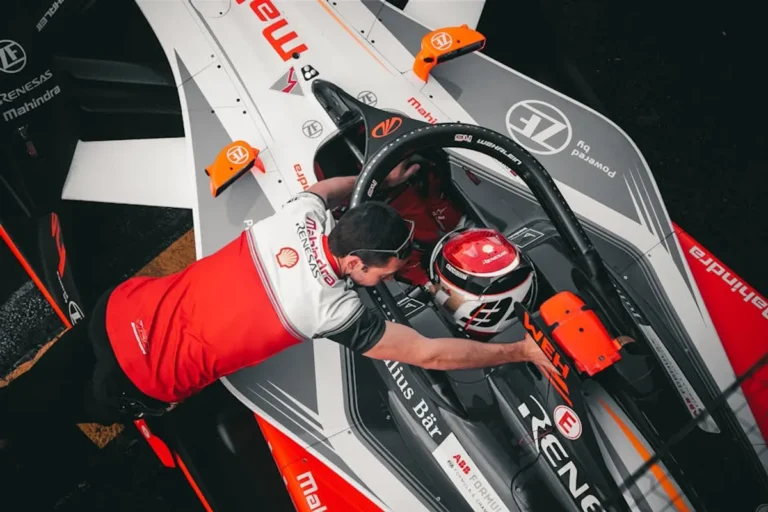

The Formula 1 ecosystem represents a significant commercial opportunity for publishers capable of delivering timely, accurate, and engaging content. With a global audience exceeding 1.5 billion and a highly passionate fanbase, F1 news coverage extends beyond simple race results to encompass driver movements, team developments, technical innovations, and schedule changes. For site owners, marketers, and SEO professionals, understanding the unique demands of this niche is critical for structuring content that not only attracts but also retains a dedicated readership, translating into valuable traffic and engagement metrics.
The Core Components of F1 News Coverage
Effective F1 news platforms must master several content pillars, each requiring specific attention to detail and update frequency. These are not merely categories but distinct content strategies that collectively serve the diverse informational needs of F1 enthusiasts.
Delivering Timely Updates
F1 news is inherently dynamic. During race weekends, real-time updates are paramount. This involves live text commentary, immediate post-session reports, and rapid dissemination of qualifying and race results. Beyond race days, breaking news related to driver contracts, team principal changes, or regulatory shifts demands swift publication. Publishers must establish robust editorial workflows to verify and publish information quickly, often leveraging APIs for automated data feeds on timings and standings. This speed is crucial for capturing search demand spikes around live events, where user intent is typically for immediate information. Publishers must establish robust editorial workflows to verify and publish information quickly, often leveraging APIs for automated data feeds on timings and standings, making the latest Formula 1 news and updates readily available.
- Live Blogs: Provide minute-by-minute updates during practice, qualifying, and races, often featuring expert commentary and fan interaction.
- Push Notifications: Alert users to significant events like pole positions, safety car deployments, or race winners, driving immediate return visits.
- Rapid News Flashes: Short, concise articles published instantly for breaking developments, later expanded into more detailed reports.
Driver and Team Lineups Explained
The human element is central to F1's appeal. Detailed profiles of drivers, including their career statistics, contract status, and personal narratives, generate consistent interest. Similarly, team analyses covering their historical performance, current technical specifications, and key personnel changes are vital. This content requires regular review and updates, particularly during the off-season when driver transfers and team rebrands are common. Accuracy in reporting these details builds trust and establishes a site as an authoritative source for fan-centric information.
Content Focus:
Driver profiles should include:
- Current team and contract end date
- Career statistics (wins, poles, championships)
- Biography and key career moments
- Social media links for engagement
Team profiles should feature:
- Current driver lineup
- Team principal and key technical staff
- Championship history and current constructor standings
- Technical partners and engine suppliers
Fixture Calendars and Race Information
Fans actively seek out race schedules, circuit details, and broadcast information. A comprehensive fixture calendar, updated annually and with any mid-season revisions, is a foundational piece of content. Each race weekend warrants dedicated pages detailing session times (local and major time zones), weather forecasts, track layouts, historical winners, and pre/post-race analysis. Implementing structured data for events can significantly enhance visibility in search results, potentially earning rich snippets for dates, times, and locations.
Optimizing for Discoverability and Engagement
Beyond content creation, strategic optimization ensures that F1 news reaches its intended audience and encourages deeper interaction. This involves technical SEO, content formatting, and a clear understanding of content lifecycle.
Structured Data and Event Schemas
For F1 content, leveraging schema.org markup is not optional; it's a competitive necessity. Event schema (Event, SportsEvent) can be applied to individual races, qualifying sessions, and even driver appearances, providing search engines with explicit data points like dates, times, locations, and participants. This can lead to enhanced visibility in search results, including direct answers and rich snippets for upcoming events. Similarly, Person schema for drivers and Organization schema for teams can strengthen entity recognition and authority.
Content Formats for Fan Engagement
The F1 audience, particularly younger demographics, consumes content across multiple formats. Text-based articles are foundational, but integrating multimedia significantly boosts engagement. Video content, from race highlights and driver interviews to technical explainers and historical retrospectives, has high shareability. Podcasts offering expert analysis and debate cater to on-the-go consumption. Interactive graphics for track comparisons, championship standings, or car performance data can provide unique value and reduce bounce rates by keeping users on-page longer.
Managing News Velocity and Evergreen Content
F1 content exists on a spectrum from ephemeral breaking news to enduring evergreen resources. Publishers must balance the rapid production of high-velocity news with the strategic development of evergreen content. Breaking news drives immediate traffic but has a short shelf life. Evergreen content, such as driver biographies, circuit guides, or F1 history pieces, provides sustained organic traffic over time. A robust internal linking strategy connecting breaking news to relevant evergreen resources can enhance user journeys and distribute link equity, improving overall site authority.
Pro Tip: When covering F1, prioritize content that answers specific, high-volume seasonal queries. For instance, before a new season, "F1 2024 car launches" or "F1 driver changes 2024" will see massive search interest. During race weekends, queries shift to "Monaco Grand Prix start time" or "F1 results today". Aligning content production with these predictable search patterns is crucial for maximizing organic visibility.
Strategic Content Lifecycle Management
F1 news is cyclical. Each season brings new stories, but historical context often informs current events. Implementing a content lifecycle strategy means not only publishing new content but also regularly updating and refreshing existing articles. For example, a "History of Ferrari in F1" article should be reviewed annually to incorporate the latest season's results and relevant developments. This approach ensures content remains accurate and relevant, preventing decay in search rankings and continuing to serve user intent effectively.
Building a Competitive Edge in F1 Content
To differentiate in the competitive F1 news landscape, focus on unique angles and value propositions. This could involve deep dives into technical regulations, exclusive interviews, data-driven performance analysis, or niche historical retrospectives. Developing a distinct editorial voice and fostering a community around the content through comments and forums can also cultivate loyalty. Ultimately, success hinges on a commitment to accuracy, timeliness, and an understanding of what truly resonates with the passionate F1 fanbase, supported by a solid technical and content SEO framework.
Frequently Asked Questions
How often should F1 news content be updated?
During race weekends, critical updates should be near real-time. For general news, daily updates are often necessary, with evergreen content reviewed and refreshed at least annually or when significant changes occur.
What schema markup is most relevant for F1 content?
SportsEvent for races and sessions, Person for drivers, Organization for teams, and Article for news pieces are highly relevant. These help search engines understand the context and entities within your content.
How can F1 news sites engage their audience beyond articles?
Consider interactive features like polls, quizzes, fantasy leagues, and dedicated forum sections. Multimedia content such as video highlights, podcasts, and infographics also significantly boosts engagement and time on site.
Is it beneficial to cover F1 history and statistics?
Yes, historical content and detailed statistics serve as valuable evergreen resources. They attract long-tail search queries, provide context for current events, and establish the site as a comprehensive authority on the sport.